


In the last issue on Skeletal Fluorosis, we saw how fluoride gradually embeds itself into bone, creating an illusion of strength while quietly weakening the structure from within. But fluoride’s impact doesn’t end at our bones. Once it enters the bloodstream, it travels everywhere - including into our endocrine system, where it can disrupt one of the body’s most sensitive and critical glands: the thyroid.
In this issue, we’ll examine how fluoride disrupts the thyroid’s delicate rhythm, interferes with iodine metabolism, and may be silently contributing to the rising epidemic of hypothyroidism, particularly among women and children.

Contents
What the Thyroid Does - and Why It Matters
Iodine: The Element That Fuels the Thyroid
Understanding Hypothyroidism
How Fluoride Interferes with Thyroid Function
Evidence Linking Fluoride to Thyroid Suppression
Why This Matters
Protecting Your Thyroid

The thyroid gland is a small, butterfly-shaped organ located at the base of your neck. Despite its unassuming size, it acts as the master regulator of the body’s metabolism. Its main job is to set the metabolic rate: the speed at which your body converts food and oxygen into energy. In essence, the thyroid’s hormones set the pace for how fast (or slow) every cell in your body works.
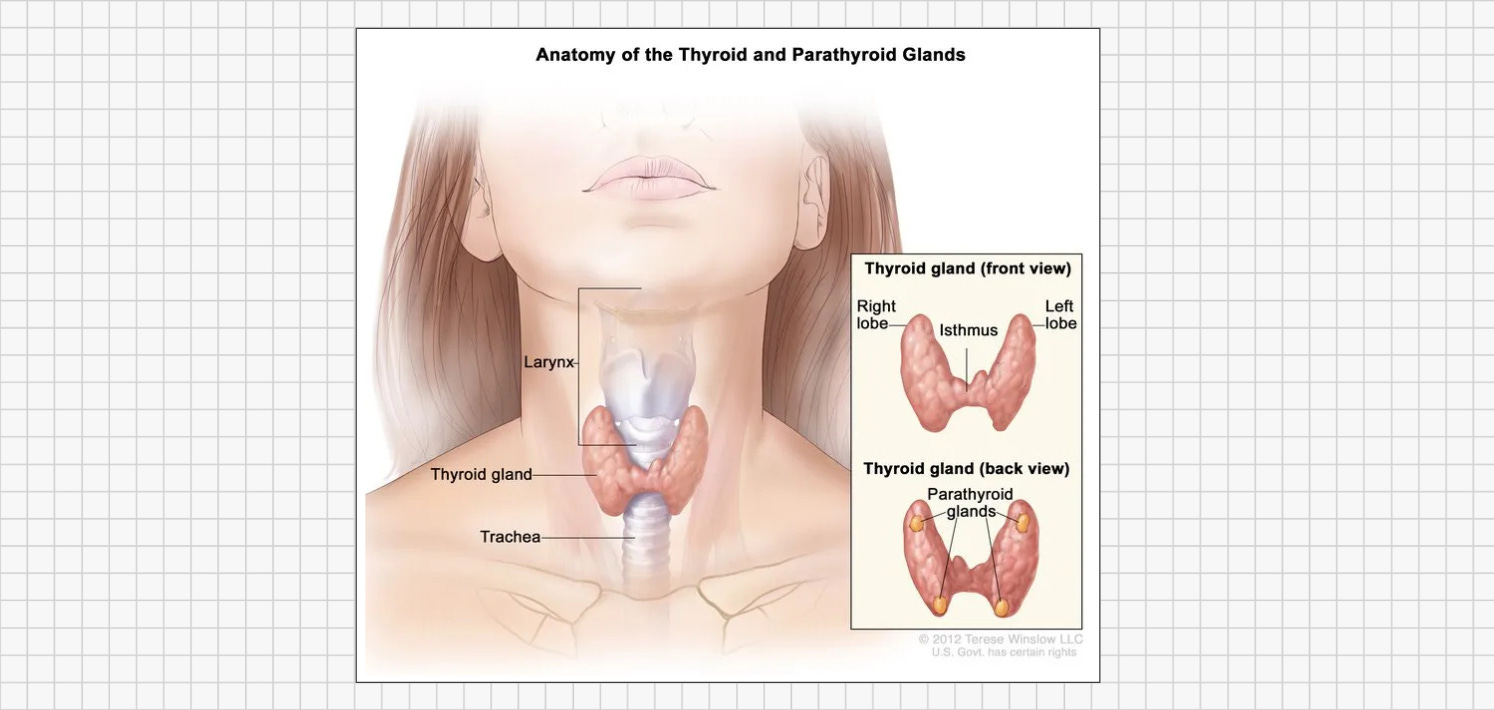
To maintain this steady rhythm, the thyroid produces two key hormones: thyroxine (T4) and triiodothyronine (T3). Once released into the bloodstream, these hormones act as messengers to virtually every organ and tissue. They help regulate your heart rate and blood pressure, control body temperature, and even influence mood, digestion, and reproductive health. In children, thyroid hormones are absolutely critical for normal growth and brain development.
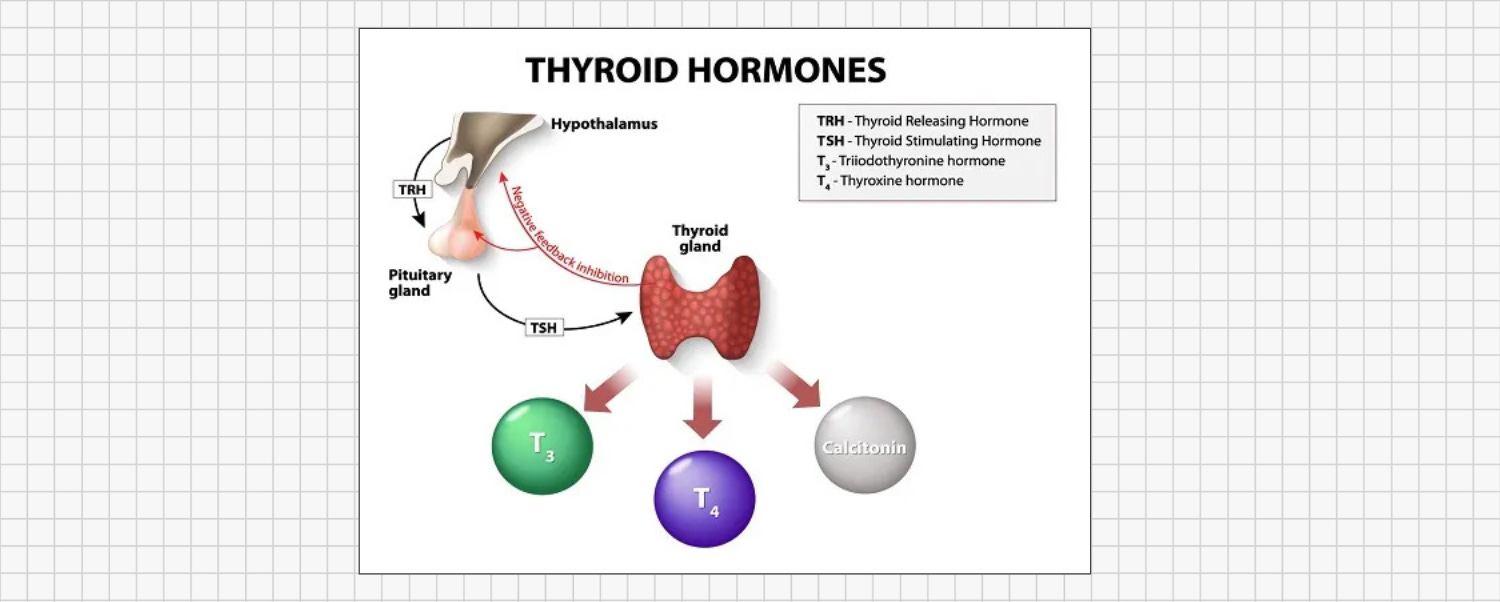
Think of the thyroid as your internal thermostat. When it’s in balance, energy levels stay steady, thinking remains sharp, and all bodily functions run smoothly. But if this gland slows down even slightly, the effects ripple through the entire body. Fatigue, weight gain, dry skin, cold intolerance, and brain fog are often the first signs that metabolism is dragging. Simply put, when the thyroid underperforms, practically every system in the body slows down.

For the thyroid to function properly, it relies on one mineral above all others: iodine. Every molecule of thyroid hormone is built from iodine - four iodine atoms make up thyroxine (T4) and three iodine atoms make up triiodothyronine (T3). Without enough iodine, the thyroid simply cannot manufacture the hormones that keep metabolism on track.
Under normal conditions, thyroid cells actively pull iodine from the bloodstream using specialized “pumps” called sodium-iodide symporters. These symporters concentrate iodine into the gland, where the mineral is attached to the amino acid tyrosine to form T4 and T3. Once these hormones are assembled, the thyroid releases them into circulation to deliver energy and metabolic instructions to nearly every cell in the body.
When iodine intake or absorption falls short, hormone production slows, and the thyroid works overtime to compensate. Over time, this deficiency can lead to a visible enlargement of the gland (known as a goiter) as it struggles to capture every bit of iodine it can find in order to keep up with hormone production.
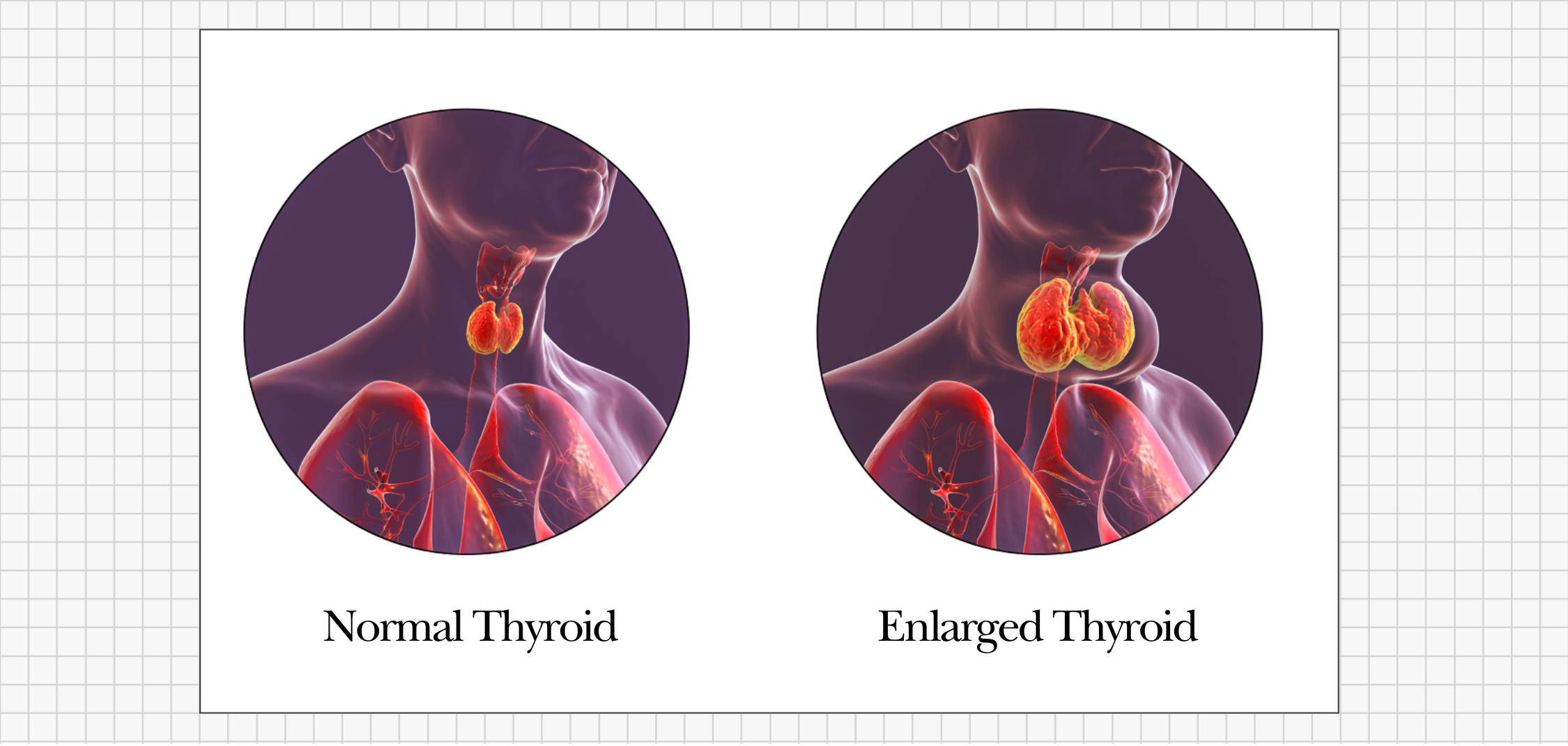

Hypothyroidism occurs when the thyroid can no longer produce enough T4 and T3 to meet the body’s needs. Because these hormones influence virtually every cell and organ, even a slight drop can disrupt how we generate energy, regulate temperature, and maintain mental clarity. What may start as subtle fatigue or trouble concentrating can slowly evolve into a widespread hormonal and metabolic imbalance affecting nearly every aspect of health.
Common signs of an underactive thyroid include:
Metabolism slows: You burn fewer calories at rest, and weight gain can occur more easily.
Body temperature drops: Circulation cools, so hands and feet often feel cold.
Digestion sluggish: Constipation and other digestive issues may develop.
Skin and hair changes: Skin can become dry, and hair may start thinning or falling out.
Brain fog and mood: Many people experience memory issues, brain fog, or depression.
Impaired growth in children: In children, low thyroid activity can stunt growth, learning, and brain development — effects that can last a lifetime if left untreated.
Because these symptoms develop gradually, many people dismiss them as “just aging” or blame stress. Yet under the surface, every cell in the body is operating below capacity - a subtle but significant energy deficit that drains vitality and resilience. Identifying why the thyroid is slowing down is crucial to restoring health.

Fluoride is often described as “safe in small amounts,” yet its chemistry and behavior in the body tell a different story. As a member of the halogen family (alongside iodine, bromine, and chlorine), fluoride is highly reactive and competes directly with iodine for absorption. This is critical because the thyroid depends entirely on iodine to produce its hormones, T4 and T3, which drive metabolism and energy throughout the body.
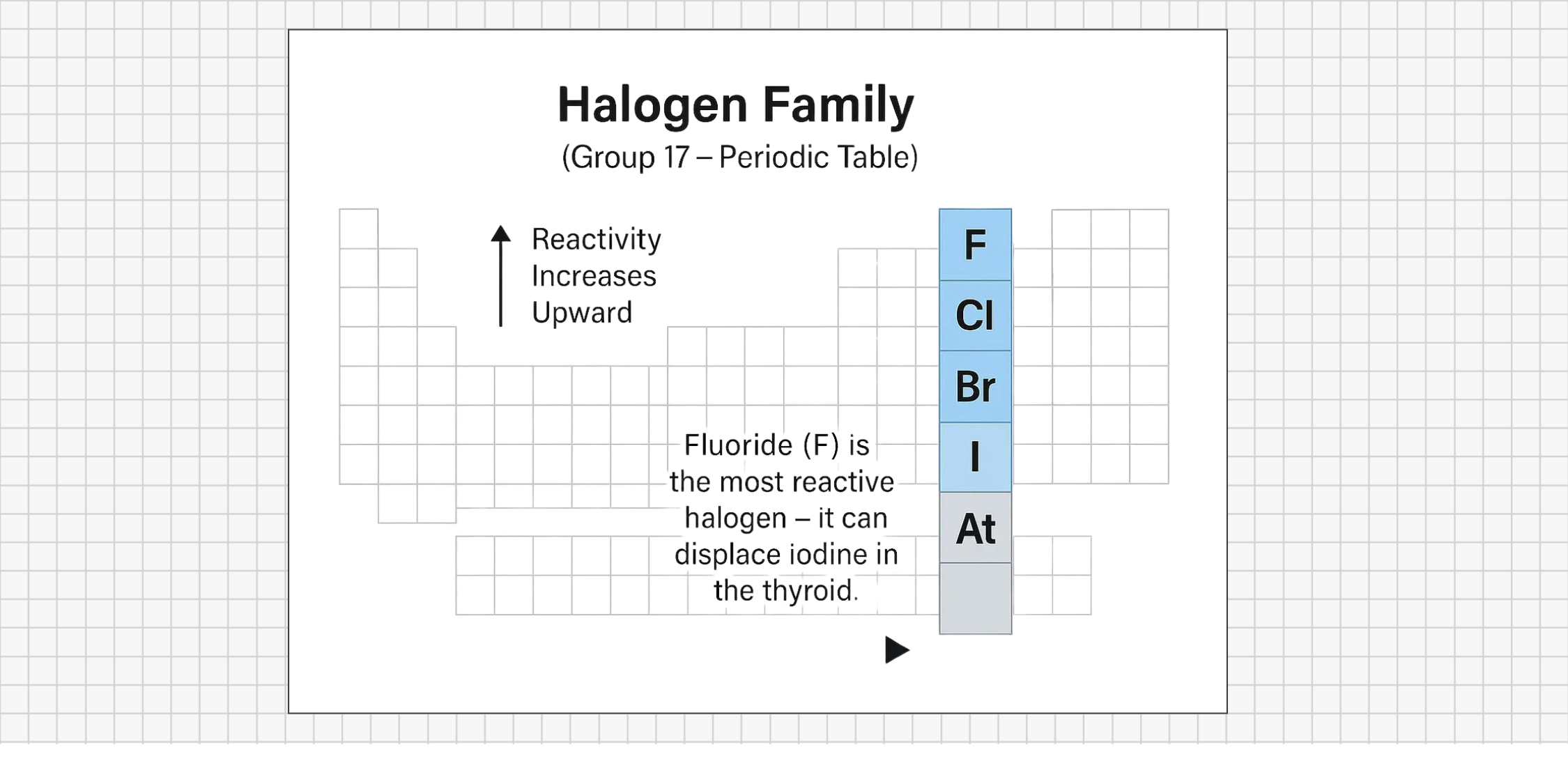
Inside the thyroid, fluoride disrupts hormone production at its very first step. The thyroid relies on sodium-iodide symporters — tiny molecular “pumps” that pull iodine into its cells so hormone production can begin. You can think of these symporters as locks on the thyroid’s doors and iodine as the key that fits perfectly. When fluoride enters the picture, it acts like the wrong key jammed in the lock, blocking the door and preventing iodine from getting inside. As a result, the thyroid can’t absorb enough iodine to function properly, and hormone production begins to slow.
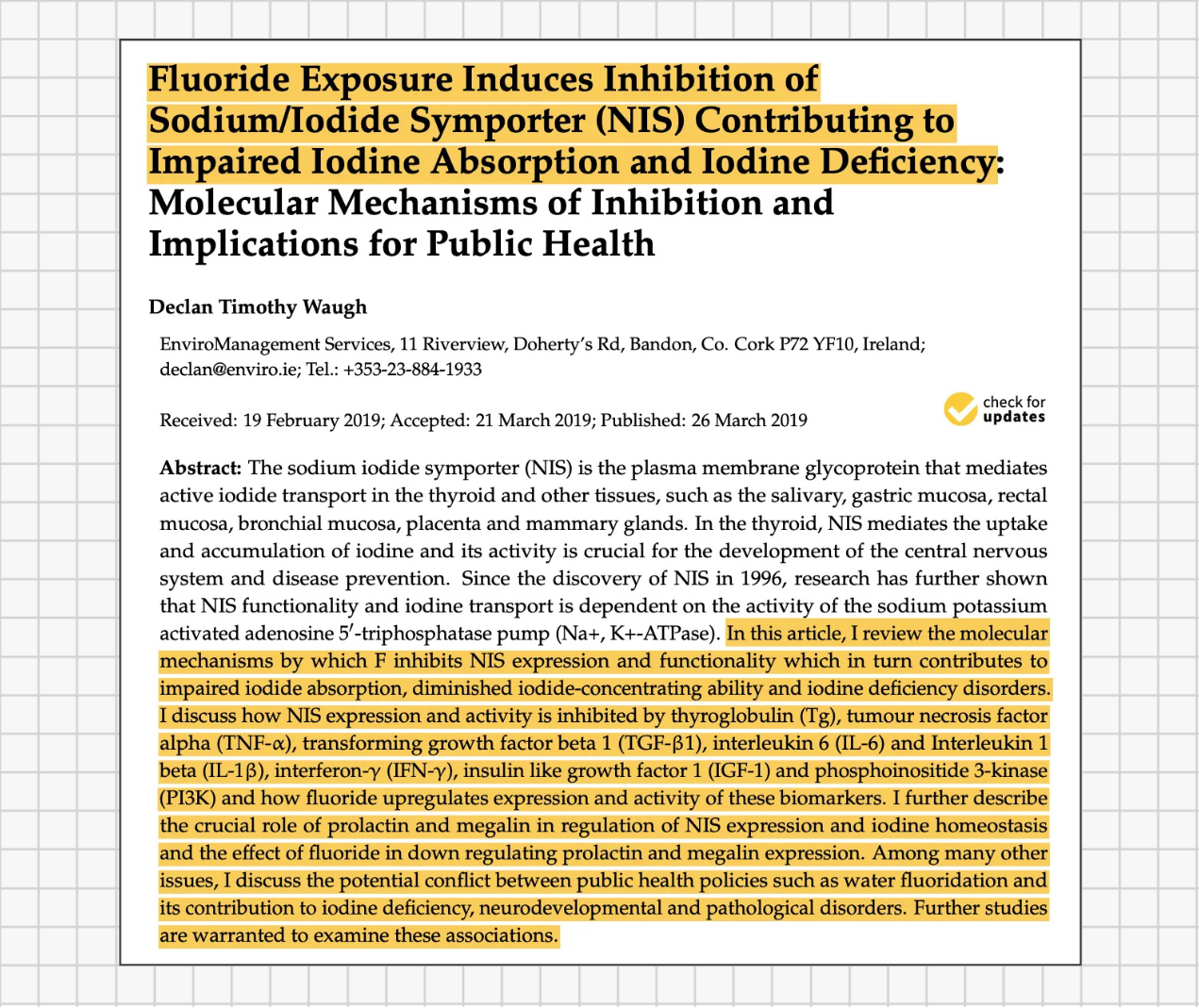
Even when iodine does make it inside, fluoride can continue to interfere. Research shows that fluoride inhibits thyroid peroxidase (TPO), the enzyme responsible for binding iodine to tyrosine - the reaction that actually creates thyroid hormones. When TPO activity is blocked, fewer thyroid hormones are formed, leading to a subtle but persistent slowdown in metabolism.
Over time, this interference can quietly push the thyroid toward underactivity, even in people who consume enough iodine. The result is not an immediate collapse, but a gradual dimming of the body’s energy and balance - one that often goes unnoticed until symptoms emerge.

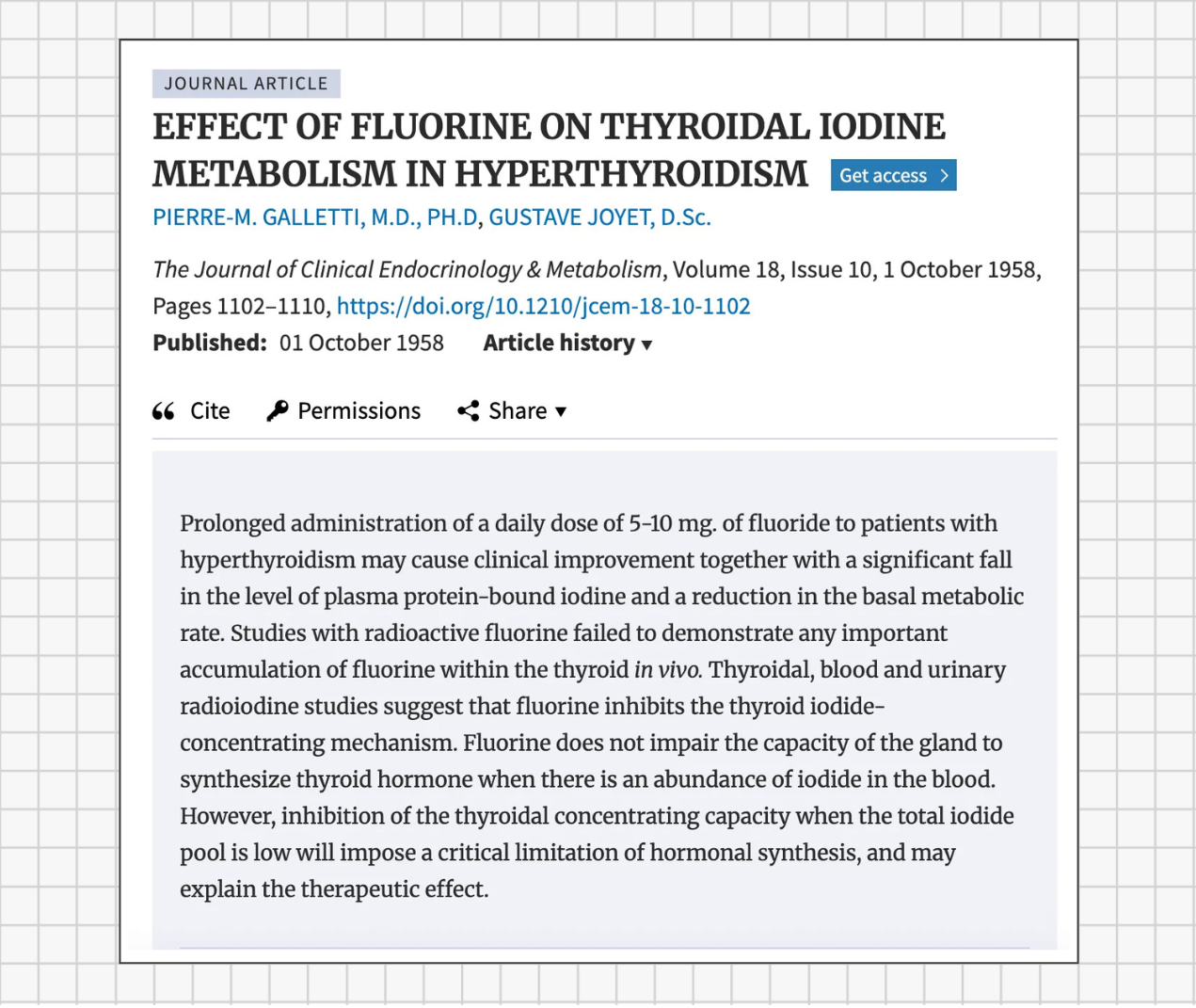
Fluoride’s thyroid-suppressing effect isn’t a modern revelation. Decades ago, before today’s anti-thyroid drugs were available, physicians deliberately used fluoride as a treatment to slow down an overactive thyroid (hyperthyroidism). Research in the mid-20th century found that doses as low as 2–5 mg of fluoride per day significantly reduced thyroid hormone levels and lowered the basal metabolic rate in hyperthyroid patients. (For context, 2–5 mg is roughly the amount many people now ingest each day through fluoridated water, food, beverages, and dental products.)
Modern research has reinforced these findings. The U.S. National Research Council (NRC), in a comprehensive 2006 report on fluoride toxicity, concluded that fluoride exposure can impair thyroid function - especially in people with inadequate iodine intake. The NRC also warned that children and pregnant women may be particularly susceptible to fluoride’s endocrine effects.
More recently, population studies have drawn the same connection. In 2015, a large-scale study published in Environmental Health looked at thyroid disorder rates across England, examining data from 98% of the country’s general medical practices. It found that hypothyroidism rates were nearly double in areas with fluoridated water compared to areas without fluoridation - even after adjusting for differences in age, gender, and socioeconomic status.
Similar patterns have emerged globally. Studies in India, China, and Iran have repeatedly shown that even moderate fluoride exposure (around 0.5 to 1.5 parts per million in water - levels common in many U.S. water communities) correlates with reduced T3 and T4 hormone levels, elevated TSH (thyroid stimulating hormone), and higher rates of goiter in the population.
Taken together, these findings reveal a consistent truth: fluoride can and does interfere with normal thyroid hormone production - especially in people who don’t get enough iodine or who are exposed to fluoride over long periods.

The thyroid doesn’t just control metabolism, it influences nearly every system in the body. When its function slows, the effects ripple far beyond fatigue or weight gain. Every cell, tissue, and organ depends on thyroid hormones to convert fuel into energy. When fluoride interferes with this process, the entire body begins to run at a lower setting — energy fades, focus blurs, digestion slows, and mood declines.
This is especially concerning for those most vulnerable to hormonal disruption: children, pregnant women, and people with already low iodine intake. In developing babies and young children, even mild thyroid suppression can impair brain development and growth. For adults, chronic low thyroid activity can quietly drive issues like infertility, depression, metabolic dysfunction, and cardiovascular strain.
Understanding fluoride’s effect on the thyroid isn’t about alarmism — it’s about awareness. The same chemical once prescribed to suppress thyroid function is now part of everyday life through water, toothpaste, and food residues. Recognizing this connection allows us to take meaningful steps, like choosing fluoride-free products and ensuring adequate iodine intake, to protect one of the body’s most vital control centers.

Completely avoiding fluoride in today’s world isn’t easy - but reducing exposure is both possible and powerful. Because fluoride accumulates in the body over time, even small daily choices can make a lasting difference for your thyroid health.
Filter your water. Most municipal systems add fluoride to drinking water. Use a reverse osmosis or activated alumina filter, as standard carbon filters do not remove fluoride effectively. Whenever possible, cook and drink with filtered or non-fluoridated water - especially for infants, children, and pregnant women.
Choose fluoride-free dental products. Toothpaste and mouth rinses are common sources of absorption, particularly for children. Opt for fluoride-free toothpaste or hydroxyapatite-based alternatives, which strengthen enamel without harming your thyroid.
Be mindful of hidden fluoride sources. Tea leaves naturally accumulate fluoride, and processed beverages made with fluoridated water (soda, juice, soups, powders) can significantly increase intake. Reducing these and prioritizing whole, unprocessed foods can meaningfully cut your daily intake.
Support iodine and nutrient balance. Ensure adequate intake of iodine, selenium, magnesium, and vitamin A, which all play vital roles in thyroid hormone production and protection. A nutrient-rich diet - especially one centered around whole foods - helps counter fluoride’s interference.
Stay informed. Awareness is prevention. Understanding where fluoride hides and how it behaves in the body empowers you to make informed decisions - for yourself, your family, and your community.
Small changes made consistently can restore balance over time. Protecting your thyroid begins with knowing what disrupts it - and recognizing that the choices we make each day truly matter.
Coming Next: Fluoride and the Brain
The thyroid isn’t the only organ vulnerable to fluoride’s interference. Research now shows that fluoride can cross the blood-brain barrier, accumulate in brain tissue, and alter the very chemistry that governs how we think, feel, and develop.
In next week’s issue, we’ll explore fluoride’s neurotoxic effects - how it impacts the developing brain, lowers IQ in children, and disrupts neurotransmitters tied to mood, memory, and learning.