


In the last issue, we explored how fluoride can quietly disrupt one of the body’s most sensitive systems: the thyroid. But fluoride’s impact doesn’t stop at hormone production. Once it enters your bloodstream, it travels everywhere - including into the organ least capable of repairing itself after injury: the brain.
This issue dives into why the human brain is uniquely vulnerable to chemical interference, the specific mechanisms fluoride uses to bypass the brain’s defenses, and what major studies from prestigious journals reveal about its effects on fetal development and childhood IQ.

Contents
Why the Brain is Uniquely Vulnerable
How the Blood-Brain Barrier Works
How Fluoride Infiltrates the Blood-Brain Barrier
The Damage Report: Three Mechanisms of Neurotoxicity
The Critical Window: Pregnancy and Childhood Risk
The Proof: Fluoride Exposure and Reduced IQ
Why This Matters For Your Family
The Solution: Protecting Your Brain from Fluoride

The brain is the body’s command center. Every thought, memory, heartbeat, and emotion begins as an electrical signal inside this three-pound network.
These neurons work every moment of your life - even during deep sleep. To function, they require a remarkably stable internal environment. They need constant oxygen, continuous blood flow, and tightly regulated electrical activity.
The Brain Has an Extreme Energy Demand
Your neurons carry some of the highest energy demands of any cells in the body. Though the brain is only a fraction of your body weight, it utilizes roughly 20% of your body’s total oxygen and energy. This energy is spent maintaining the precise conditions required for neurons to fire and communicate. Because of this extreme metabolic demand, neurons are highly vulnerable. Even tiny disturbances in nutrient delivery or chemical balance can impair their ability to signal correctly.
Limited Repairs
Crucially, the brain has a limited ability to repair itself. Unlike skin or liver tissue that regenerates readily, mature neurons in the central nervous system have only a modest capacity to recover once damaged. By adulthood, the generation of new neurons is extremely limited.
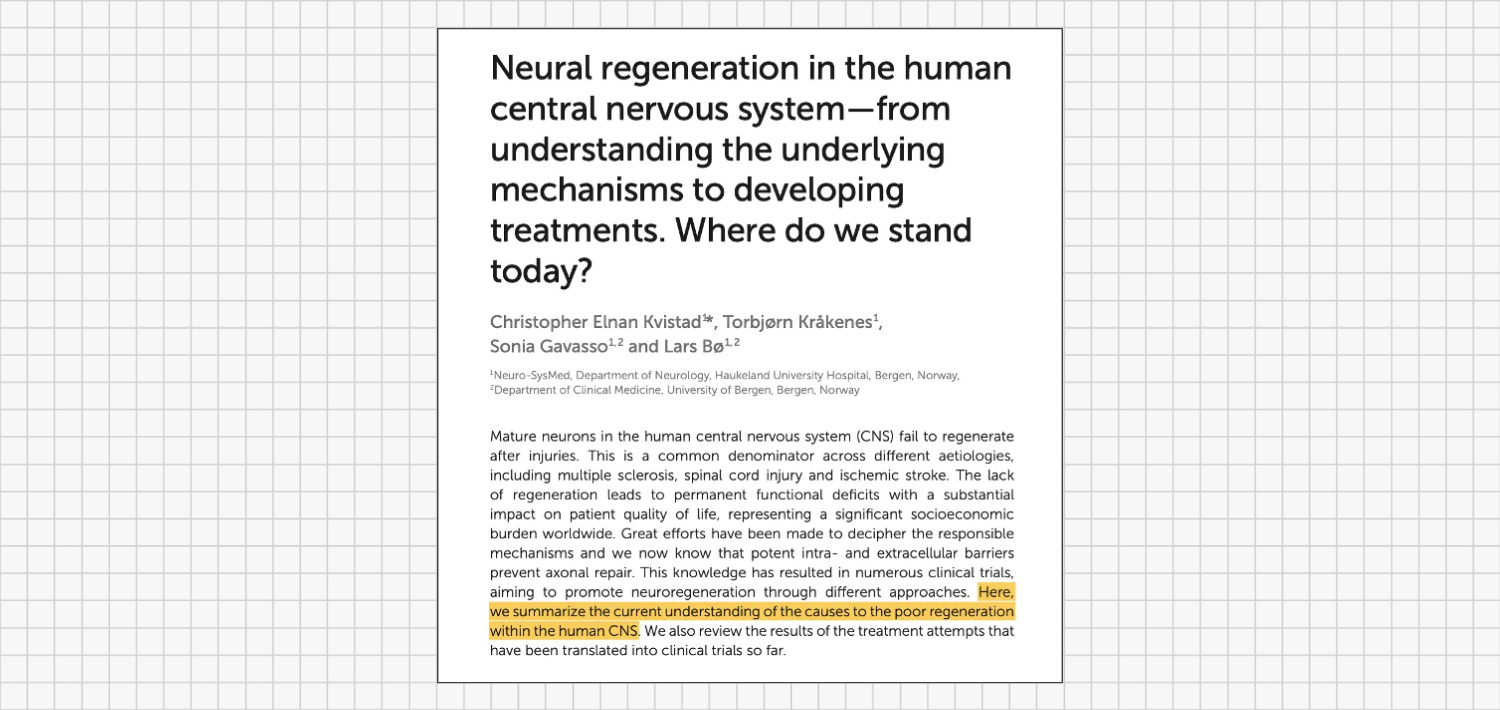
This combination of high energy demand and limited regenerative capacity makes the brain uniquely susceptible to environmental toxins, which means it needs unparalleled protection.

To protect the brain, the body built a formidable fortress: the blood-brain barrier (BBB). Its job is simple: keep dangerous substances out of the brain while allowing essential nutrients in.
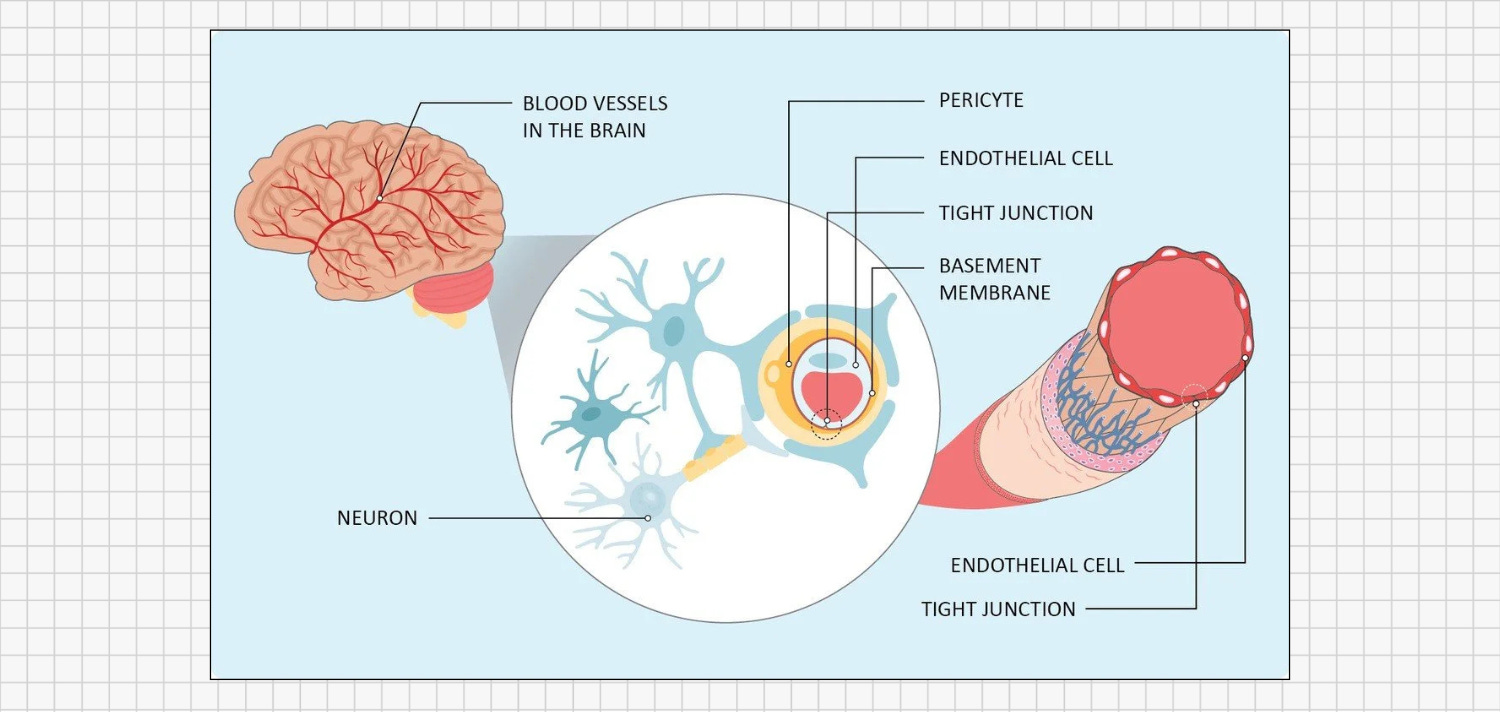
To do this, the BBB uses tightly sealed junctions between cells that:
allow oxygen, glucose, and key amino acids to enter
block pathogens, toxins, large molecules, and most reactive chemicals
tightly regulate minerals like sodium, potassium, and calcium
It’s a highly selective system, but research shows it’s not entirely impenetrable. Fluoride is one substance that can bypass this barrier.

Even though the BBB is highly selective, studies confirm that fluoride can still cross the blood–brain barrier and accumulate in brain tissue. This infiltration occurs primarily due to fluoride’s unique molecular properties:
Fluoride Is Extremely Small
The BBB is designed to block large molecules, not tiny ions. Fluoride is one of the smallest and most reactive ions in biology, allowing it to slip through defenses.
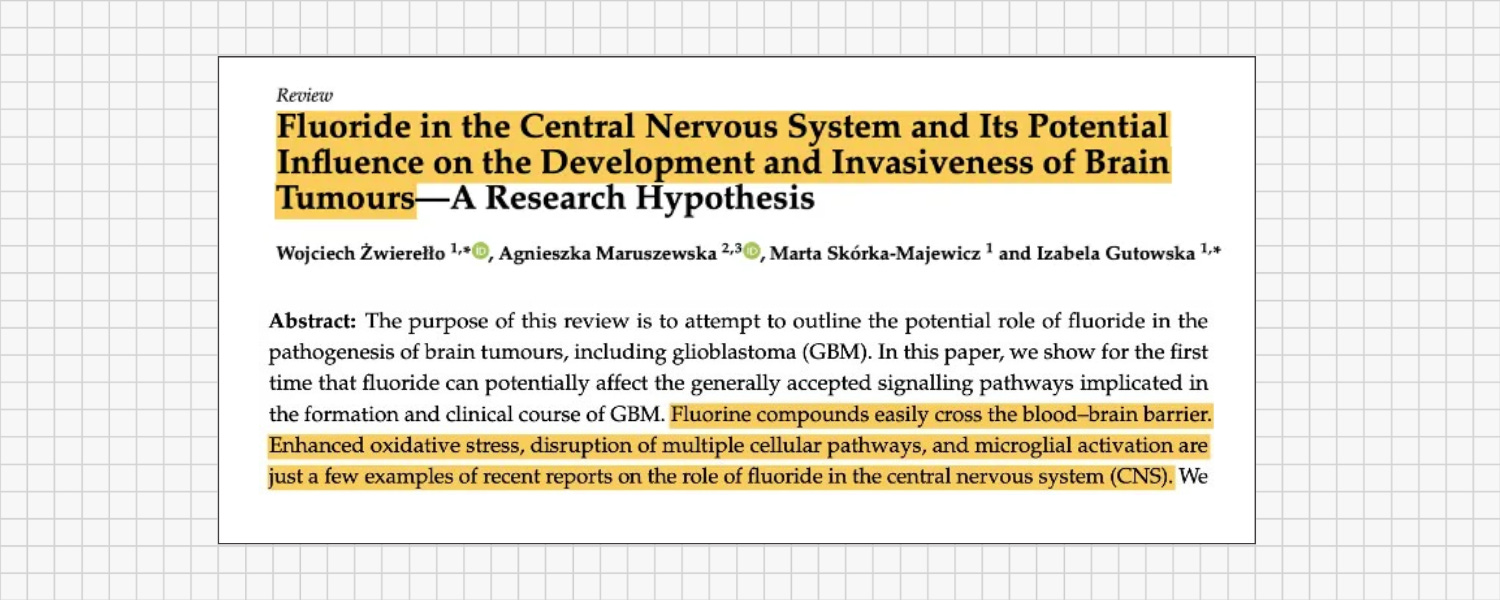
Fluoride Can Become Neutral and Slip Through
Under acidic conditions (such as those in the stomach), fluoride temporarily converts to hydrogen fluoride (HF) - a neutral molecule. Unlike charged ions, neutral molecules pass easily through cell membranes like the BBB. Once inside the brain’s more neutral environment, HF dissociates back into the reactive fluoride ion, becoming trapped where it can do damage.

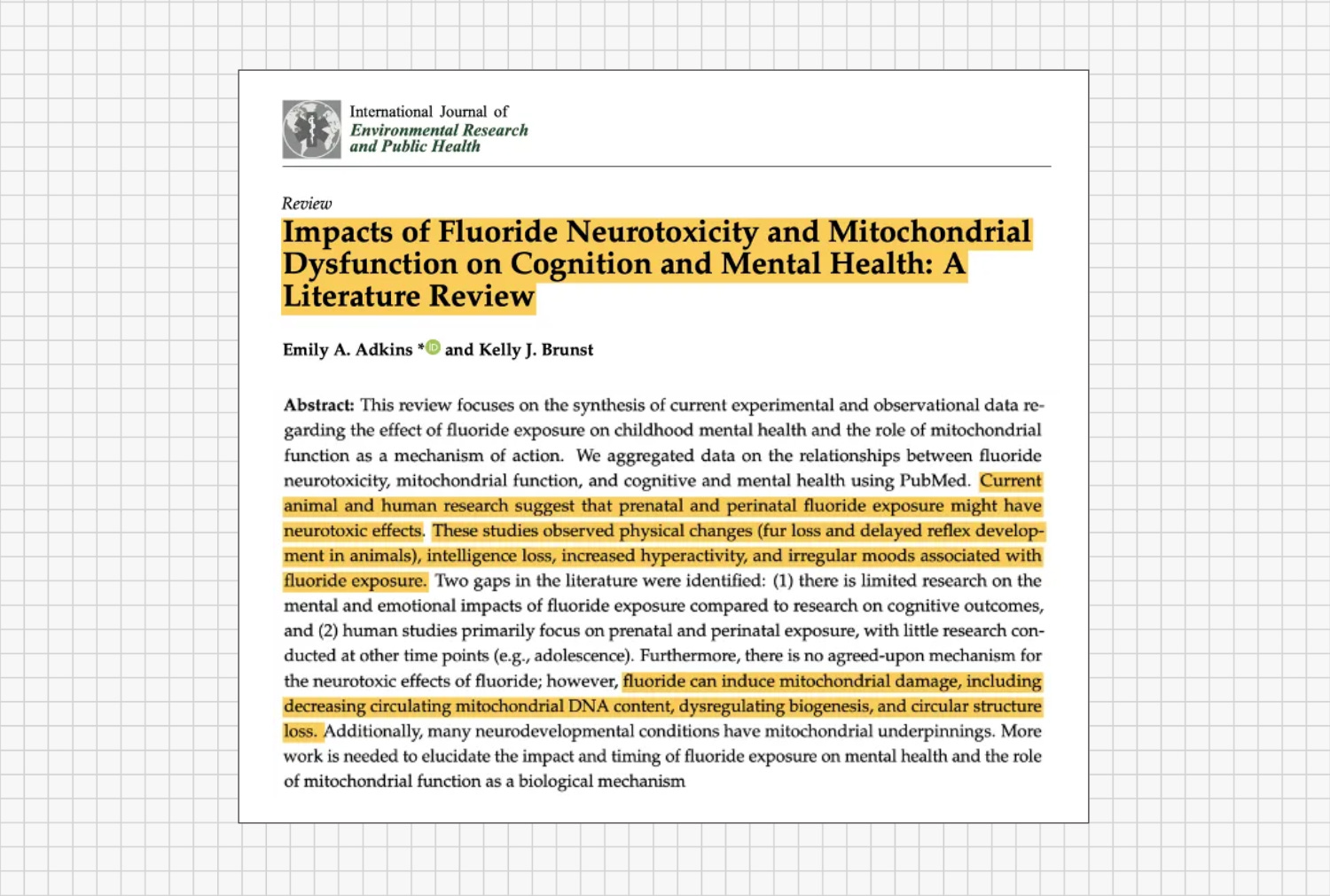
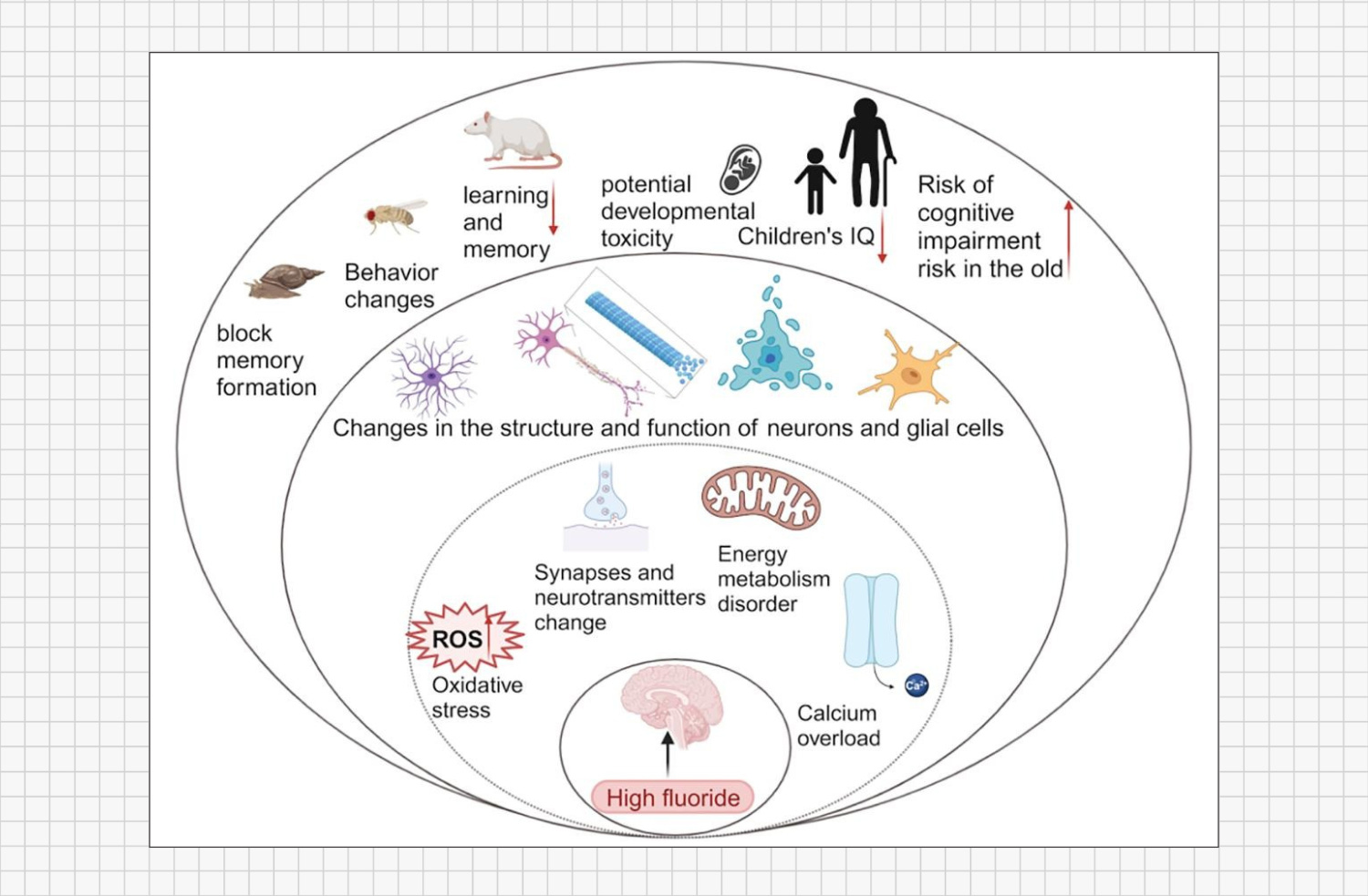
Once fluoride reaches the brain, it doesn’t just sit there. It actively interacts with neurons and glial cells in ways that can alter energy production, neurotransmission, and developmental signaling. Research confirms three key ways it disrupts brain function:
Inducing Oxidative Stress and Inflammation: A 2022 study in Chemosphere demonstrates that chronic fluoride exposure significantly increases reactive oxygen species (ROS) in the brain, overwhelming its natural antioxidant defenses and leading to neuroinflammation. This “oxidative stress” can damage neuronal cells, particularly in the hippocampus, a brain region crucial for memory and learning.
Disrupting Neurotransmitter-Balance: Fluoride can impair the delicate balance of critical neurotransmitters like dopamine, serotonin, and acetylcholine—chemicals essential for regulating mood, memory, focus, and learning. A 2018 study found that fluoride exposure specifically altered the cholinergic system, a neurotransmitter pathway vital for cognitive function and processing information.
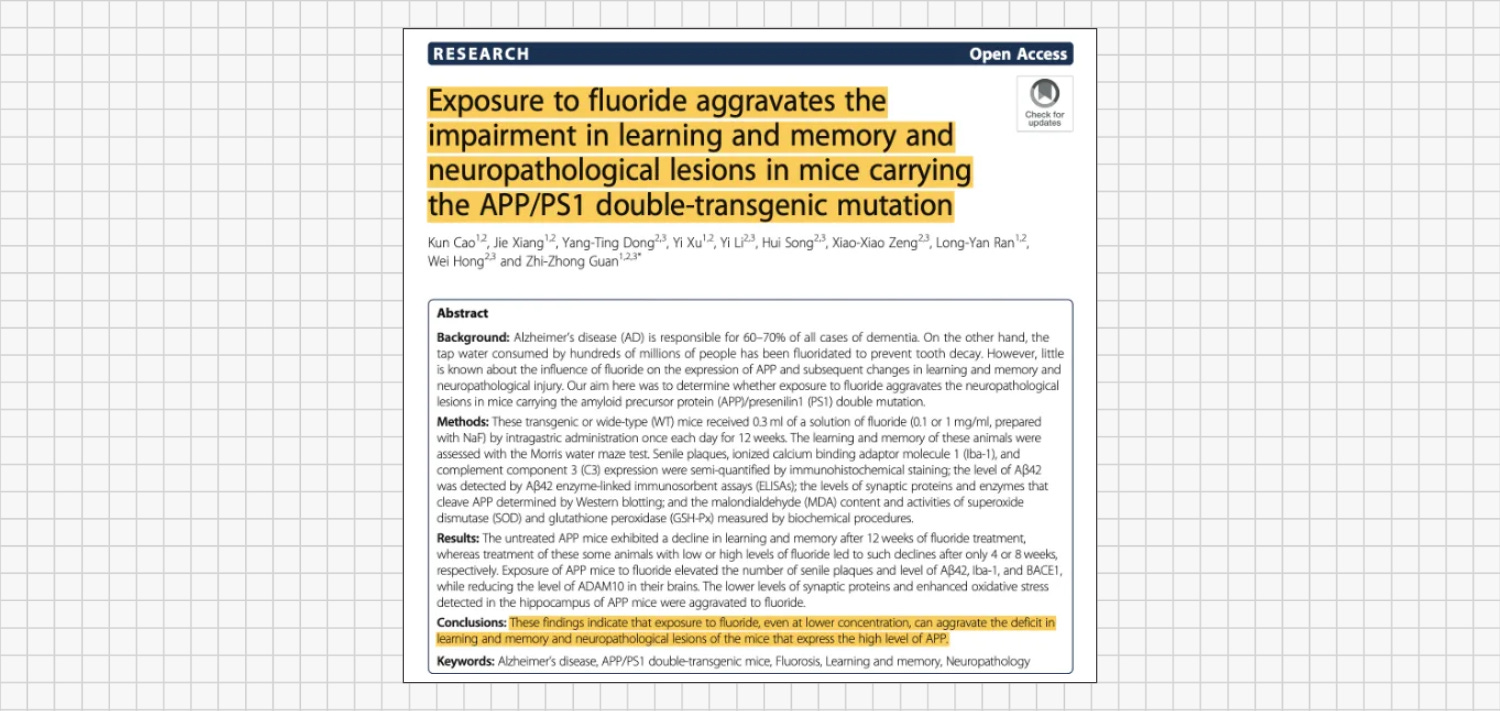
Crippling Mitochondrial Energy Production: Neurons demand vast amounts of ATP (cellular energy). Fluoride has been shown to disrupt mitochondrial enzymes, reducing the cell’s ability to produce energy efficiently. A 2024 comprehensive literature review highlights fluoride’s impact on energy metabolism, underscoring how low neuronal energy can lead to reduced learning, slower processing, and impaired synaptic plasticity.
These mechanisms of damage affect all ages, but the impact is far more profound on the developing brain.

During pregnancy, infancy, and early childhood, the brain undergoes rapid, complex growth - a “construction phase” that never recurs. Neurons are forming new circuits, migrating to their positions, and pruning unused connections, all orchestrated by precise chemical signals.
Even a small disturbance during this critical developmental phase can have outsized, long-term consequences. Two factors heighten this vulnerability:
An Immature Blood-Brain Barrier: In fetuses and young children, the blood-brain barrier is still maturing. Its protective junctions are not yet fully sealed, allowing chemicals, including fluoride, easier access to the vulnerable, developing brain tissue.
Sensitive Developing Neurons: Neural circuits forming in the womb and early childhood are exquisitely sensitive to a clean, stable chemical environment. Oxidative stress, mineral imbalances, or energy disruption during this window can lead to permanent impairments in neurodevelopment.

Over the last decade, high-quality human epidemiological studies have identified a consistent, concerning pattern: the more fluoride a pregnant woman is exposed to, the lower her child’s cognitive function and IQ scores.
This is not “fringe science”; it’s a growing body of robust evidence published in top-tier medical journals.
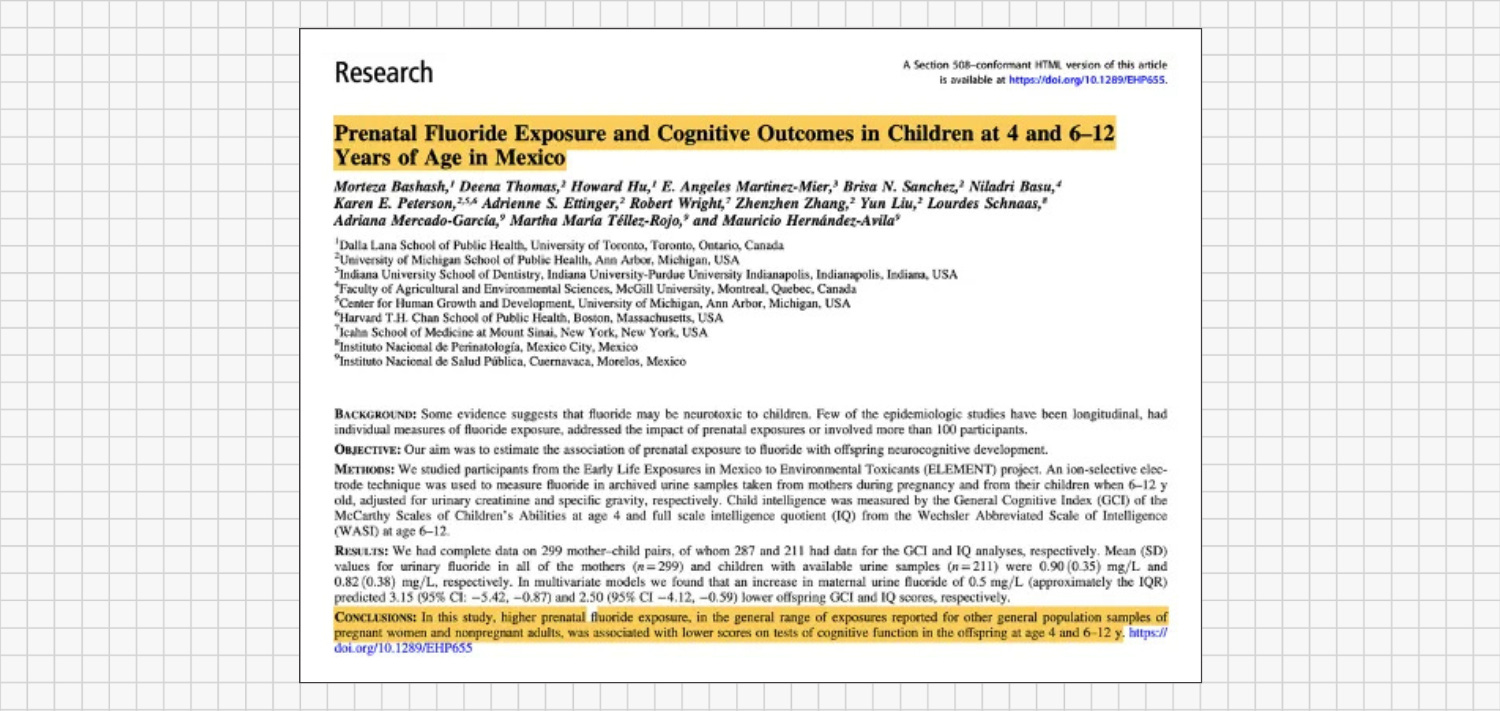
The 2017 Mexico Study (Bashash et al.)
Published in Environmental Health Perspectives, this landmark study tracked fluoride levels in pregnant women and their children over 12 years. It found that higher maternal fluoride levels during pregnancy were significantly associated with 4-6 point IQ reductions in offspring. Critically, the exposure levels observed in this study were comparable to those found in many fluoridated communities across the U.S.
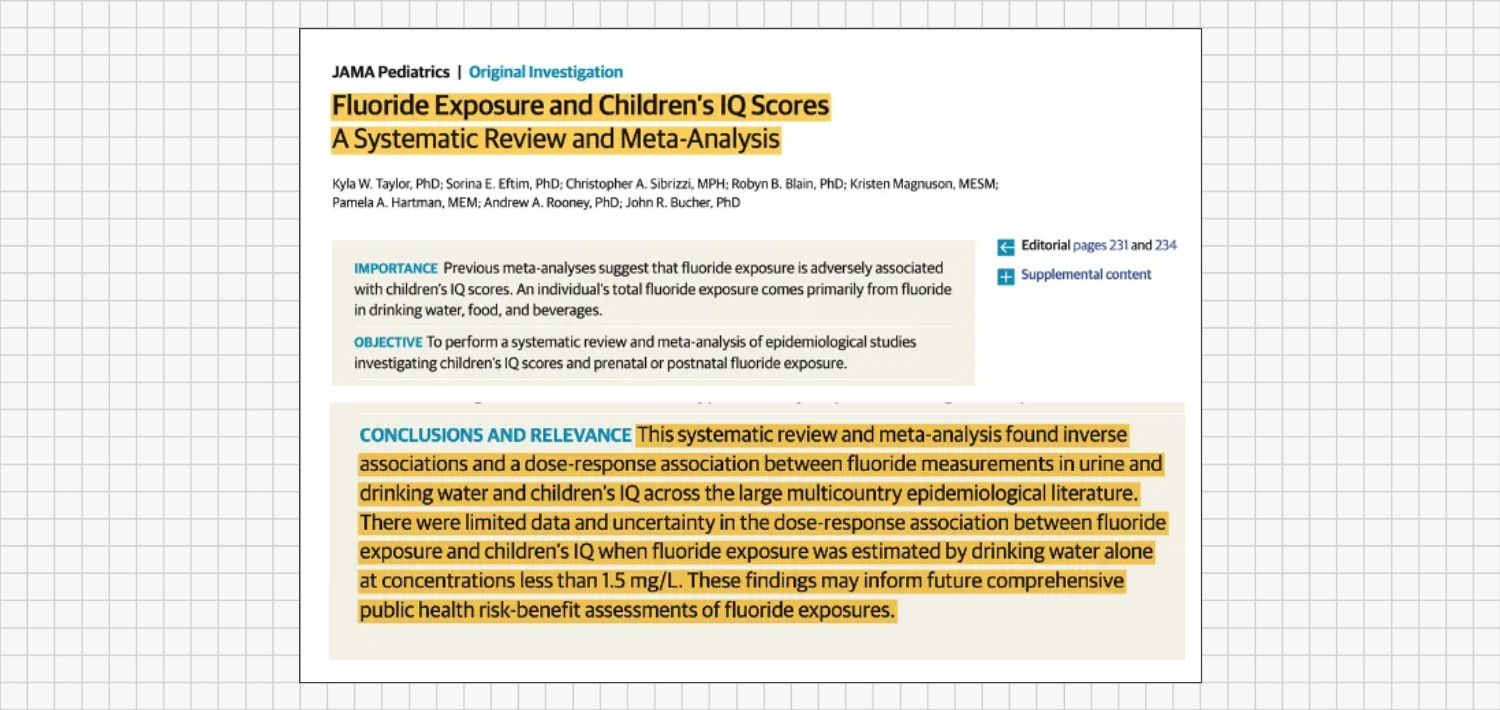
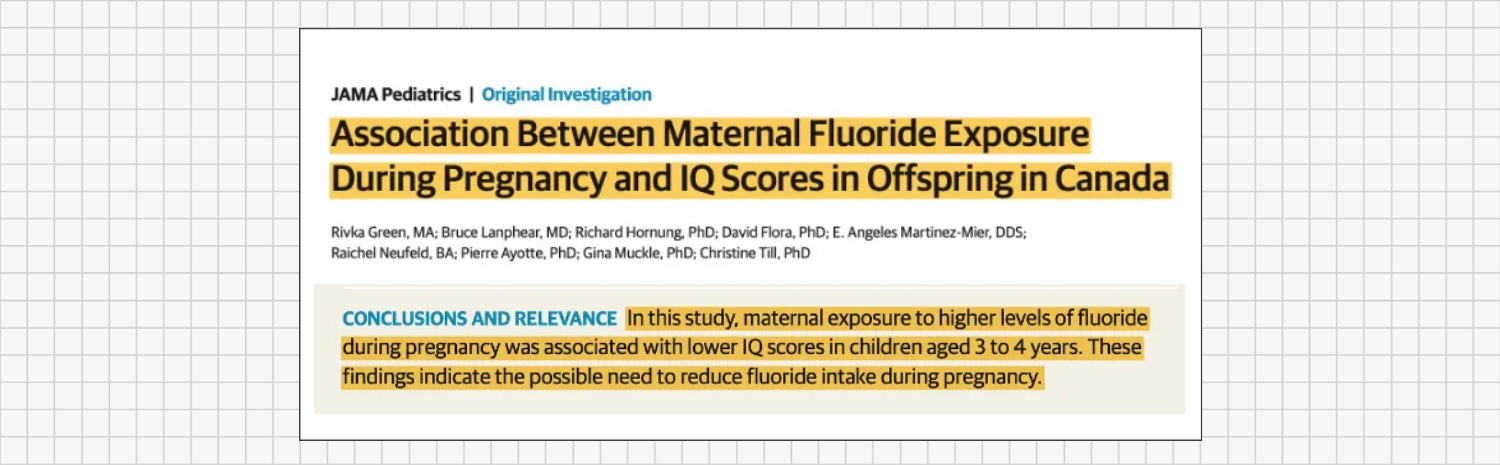
The 2019 Canadian Study (Green et al.)
Published in JAMA Pediatrics - one of the most influential medical journals - this study compared fluoride intake in nearly 600 pregnant women. It concluded that children aged 3-4 scored significantly lower on IQ tests when prenatal fluoride exposure was higher. The average fluoride exposure in the study was 0.7 mg/L, precisely the level found in most U.S. fluoridated water.
The 2020 Canadian Infant Study (Till et al.)
Published in Environment International, this research focused on postnatal exposure. It revealed that formula-fed infants in fluoridated areas ingested up to 100 times more fluoride than breast-fed infants. These higher exposures were later associated with measurable reductions in cognitive performance.
Recent Reviews and Meta-Analyses (e.g., Grandjean et al., 2021)
Major scientific reviews, such as the one published in Environmental Health by Grandjean et al., have examined the cumulative evidence. They consistently confirm a “statistically significant” relationship between fluoride exposure and cognitive impairment, even at levels previously considered “safe” by regulatory bodies.
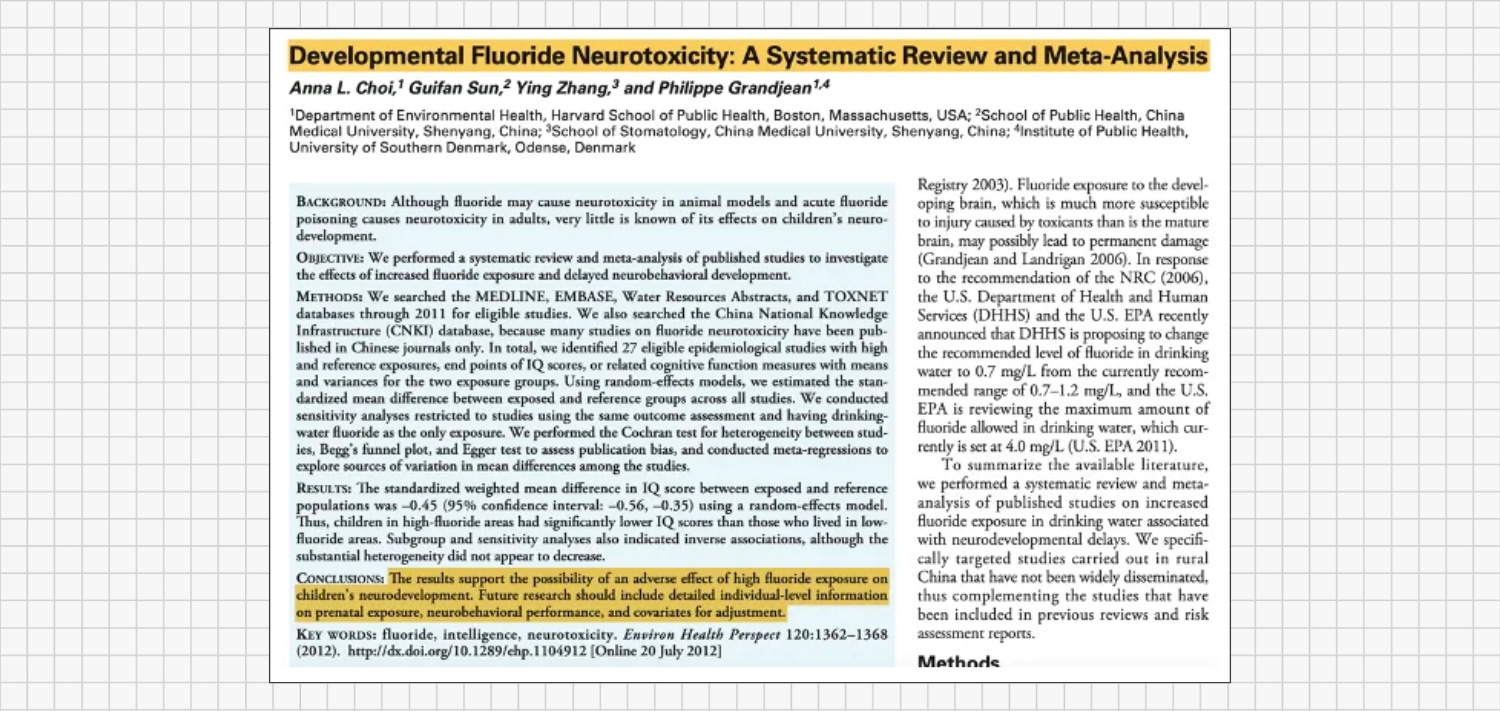
These reviews conclude that fluoride is a developmental neurotoxicant.

The neurotoxic effects of fluoride are not theoretical. They are measurable, and they are occurring at exposure levels experienced daily by millions of families through tap water, toothpaste, mouthwash, tea, and baby formula.
Neurotoxicity doesn’t require massive, acute doses or a poisoning event. It accumulates quietly, particularly in the developing brain, shaping a child’s lifelong capacity for learning, memory, attention, and emotional regulation.
This isn’t a small issue. It’s a generational one, impacting foundational cognitive development.

The good news is that you have agency over your family’s fluoride exposure. You don’t need to eliminate it completely, but reducing it to a level that mitigates neurological risk is a powerful step.
Here’s where to start:
Switch to Fluoride-Free Toothpaste: For both children and adults, brushing with fluoridated toothpaste is a significant daily source of fluoride. Opt for fluoride-free alternatives.
Filter Your Tap Water Effectively: Be aware that standard activated carbon filters (like Brita pitchers) do not remove fluoride. Invest in a filtration system specifically designed for fluoride removal, such as reverse osmosis or activated alumina/bone char filters.
Prioritize Infants and Pregnant Women:
Always use fluoride-free water when mixing baby formula.
Pregnant women should be particularly mindful of their fluoride intake, minimizing fluoridated tap water and beverages like black or green tea, which can be high in fluoride.
Avoid fluoridated mouthwashes.
If you’ve been following our series, you’ve likely noticed a concerning pattern: fluoride impacts nearly every major system in the body - bones, thyroid, hormones, and now, the critical development and function of the brain.
This series will continue to empower you with science-backed insights into these systems, so you can understand what’s truly happening and make informed choices to protect your health for life.
If you’d like next week’s issue sent straight to your inbox, make sure you’re subscribed.
More soon,
Aldo